Microgrid Operations PlatformHero

Microgrid Operations Platform

Let a park’s PV, storage, loads, and charging facilities run in concert — balancing energy cost with critical-load assurance.

Overview

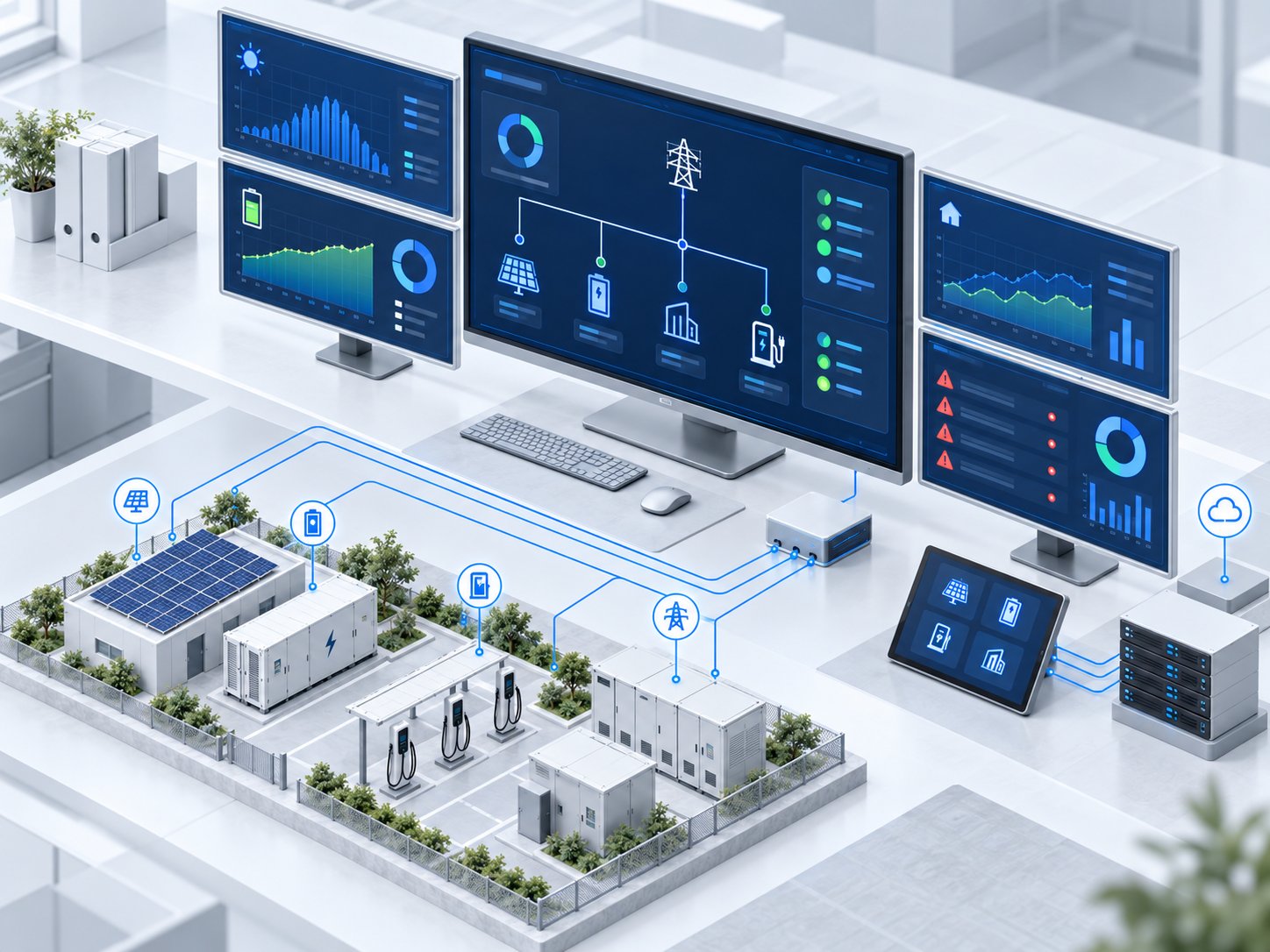
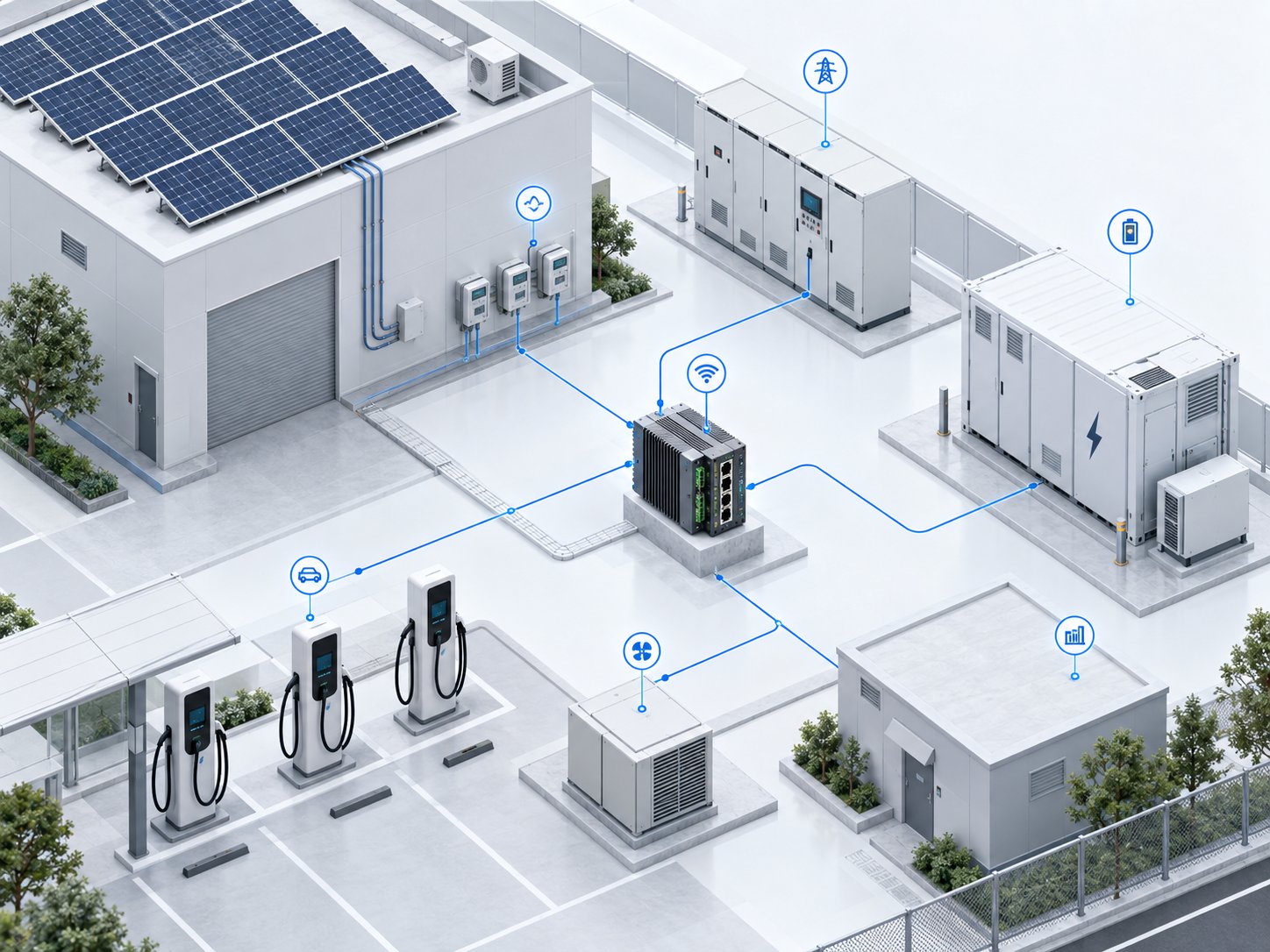
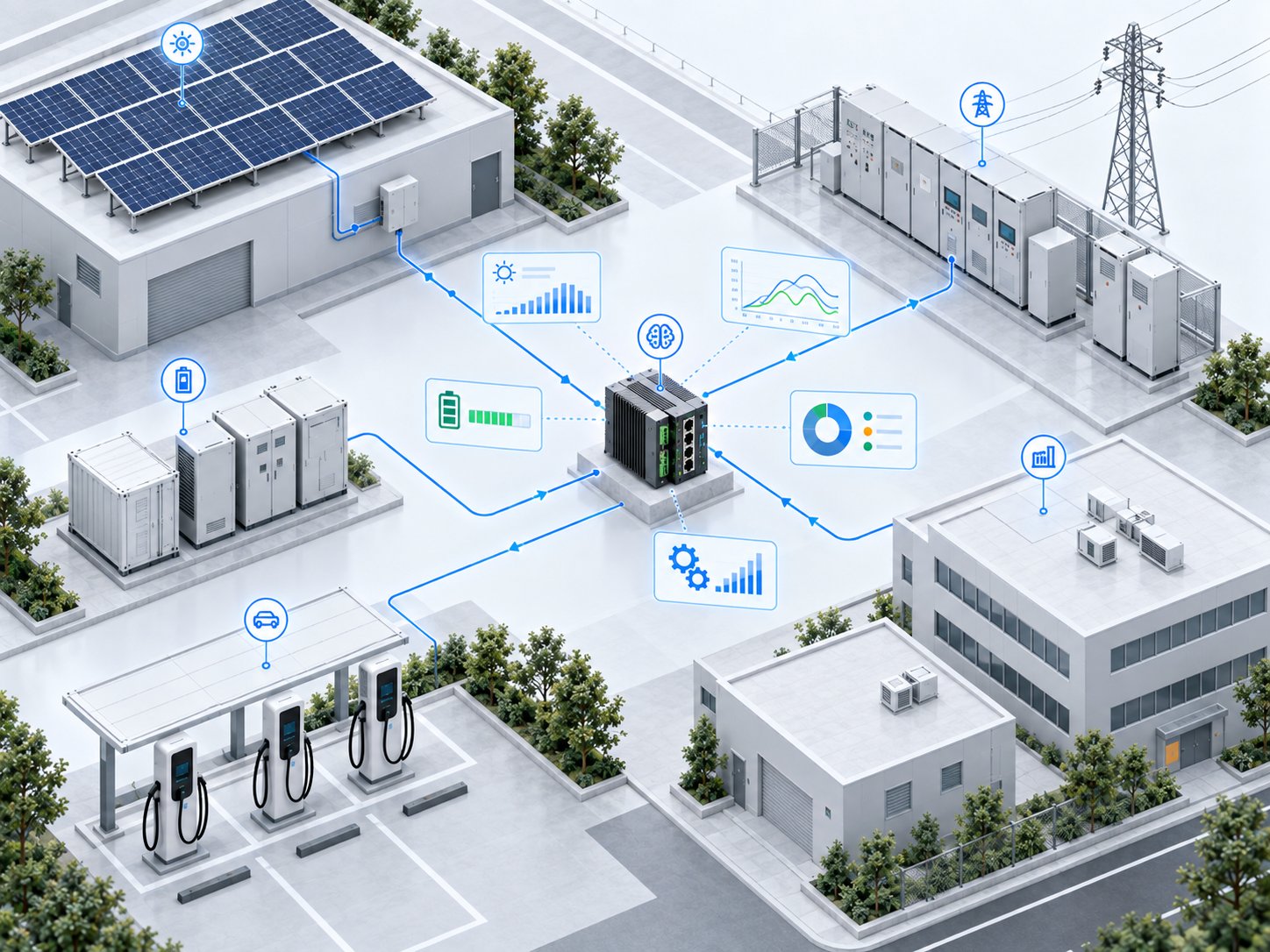
The Microgrid Operations Platform weaves a park’s PV, storage, controllable loads, charging facilities, and distribution network into a schedulable, evolvable energy system. While guaranteeing that critical loads never lose power, we cut both electricity bills and carbon emissions through economic dispatch and storage optimization — turning the park from a mere "power consumer" into an "energy node that operates itself."

Core Capabilities

Build schedulable, evolvable park-microgrid capability around the coordinated operation of source, storage, load, charging, and the distribution network.

01

Source-Grid-Load-Storage Coordination

Coordinate distributed PV, storage, controllable loads, and charging facilities under real-time operating constraints to optimize power flow and allocation, raising the park’s overall energy self-sufficiency and efficiency.
02

Microgrid Energy Dispatch

Combine load forecasting, tariff signals, and storage SOC for intraday rolling optimization and economic dispatch, lifting self-use ratio and operational revenue while safeguarding supply.

03

Peak Shaving, Valley Filling & Demand Control

Smooth load fluctuations, reduce transformer-capacity demand and peak demand charges, defer distribution-expansion investment, and optimize the park’s total electricity cost.

04

Seamless Grid-Connected / Islanded Switching

On grid-point faults or external outages, safely isolate and switch to islanded operation to keep critical loads powered, supporting black start and reconnection.

05

Storage Optimization

Optimize charge/discharge strategy from price spreads and dispatch signals, balancing economic return with battery life and raising storage cycle efficiency.

06

Multi-Energy Monitoring & Alarms

Unified monitoring of source, storage, load, charging, and distribution-device status with real-time alarms and fault location, giving full visibility into whole-station microgrid posture.

Capability Specs

Resource Onboarding & Modeling

  • Unified onboarding of PV, storage, charging facilities, and adjustable loads
  • Resource profiles and adjustable-capacity assessment quantifying each resource’s headroom
  • Grouping and aggregation modeling to enable batch dispatch by strategy
  • Real-time visibility of onboarding status and availability, avoiding dispatch blind spots

Coordinated Dispatch & Optimization

  • Coordinated operation of PV, storage, loads, and charging under multi-objective optimization
  • Peak shaving and demand control balancing energy cost with critical-load assurance
  • Configurable storage charge/discharge strategies supporting cycle and lifespan management
  • Dispatch strategies reusable as scenario templates, accumulating replicable operating experience

Off-Grid & Grid-Connected Operation

  • Smooth switching between grid-connected and off-grid modes with predefined transition procedures
  • Supply-assurance strategies under off-grid operation with critical-load priority
  • Grid-point power and power-quality monitoring meeting grid-connection standards
  • Anti-islanding protection and operating-boundary configuration for operational safety

Monitoring & Alarms

  • Unified monitoring of park energy systems — generation, storage, and load at a glance
  • Automatic threshold and anomaly alarms with multi-level notification and response
  • Alarm grading and localization pointing to specific devices and ownership
  • Automatic archiving of operating reports and key metrics for review and analysis

Cost & Benefit Management

  • Time-of-use tariff and demand-cost accounting identifying optimization opportunities
  • Economic analysis of storage configuration and operation strategy, supporting investment decisions
  • Energy-cost allocation to departments or tenants, supporting internal settlement
  • Operating cost versus revenue comparison informing future expansion decisions

Integration & Extension

  • Coordination with charging, lighting, HVAC, and other building and production systems
  • Open interfaces for park-level systems and upstream energy-platform access
  • Phased rollout support: start with one subsystem and expand toward a full park microgrid
  • Mobile viewing and alarm push, keeping management connected off-site

Platform Architecture

Build a digitalization foundation that supports microgrid operations in layers — from edge ingestion to energy management.

Edge Ingestion & Control

Edge Ingestion & Control

Connect distributed PV, storage PCS, smart breakers, meters, and chargers; complete protocol parsing, device modeling, and edge control to ensure real-time, reliable source-end data.

Microgrid Energy Management & Optimization

Microgrid Energy Management & Optimization

Provide load forecasting, economic dispatch, storage optimization, and grid-connected/islanded strategy engines to orchestrate source-grid-load-storage-charging operation — the intelligent core of microgrid running.

Monitoring, Operations & Display

Monitoring, Operations & Display

Give operators microgrid situation monitoring, alarm handling, report analytics, and large-screen display, closing the operations link from perception to decision and forming end-to-end management.

Application Scenarios

Cover a wide range of typical microgrid-operations scenarios, from industrial parks to islanded sites.

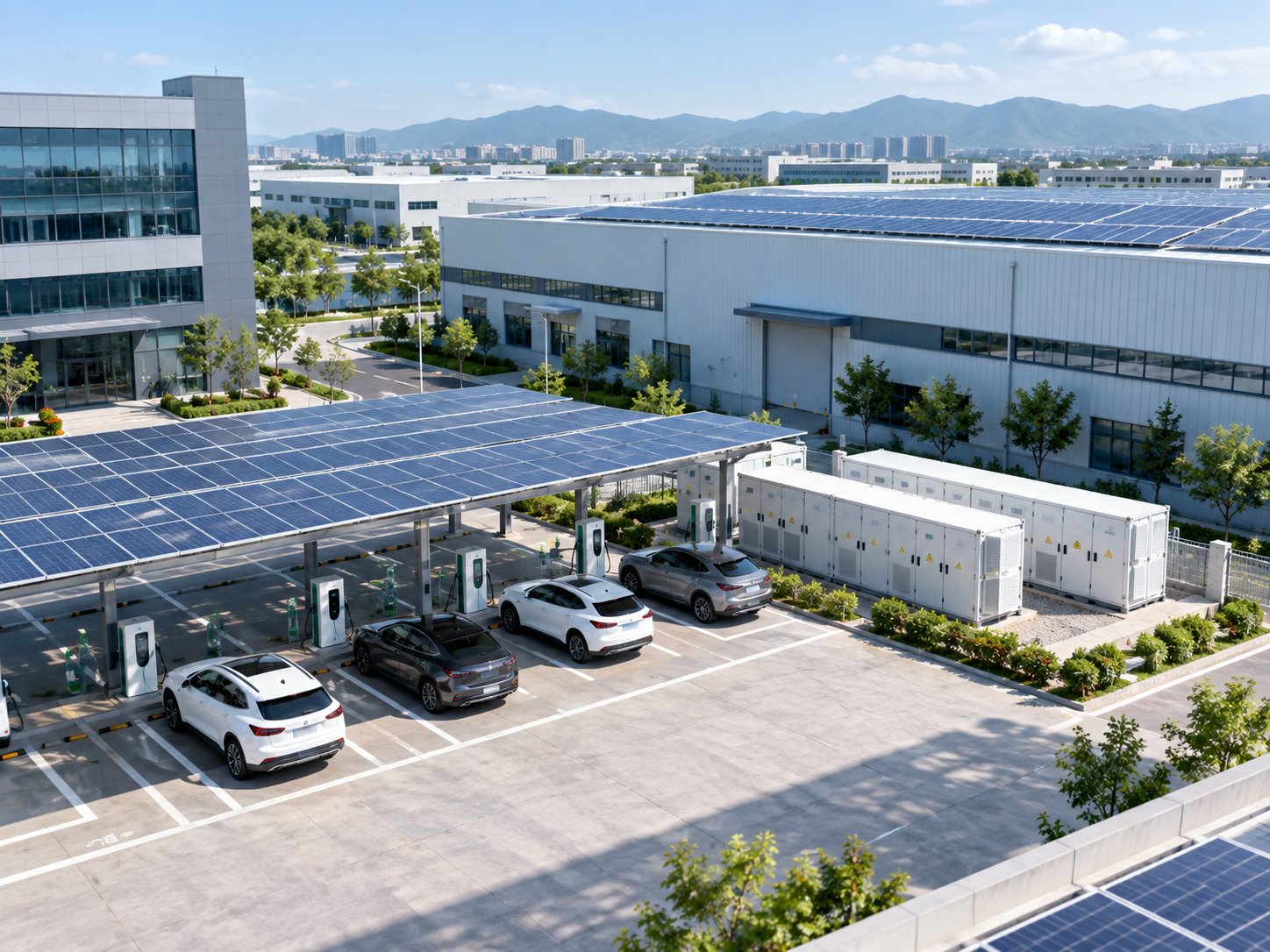
Industrial-Park Microgrid

Industrial-Park Microgrid

Park-level source-grid-load-storage integration, cost optimization, and green-power self-use.

C&I PV-Storage-Charging

C&I PV-Storage-Charging

Integrated coordination of distributed PV, storage, and charging to raise local self-consumption and returns.

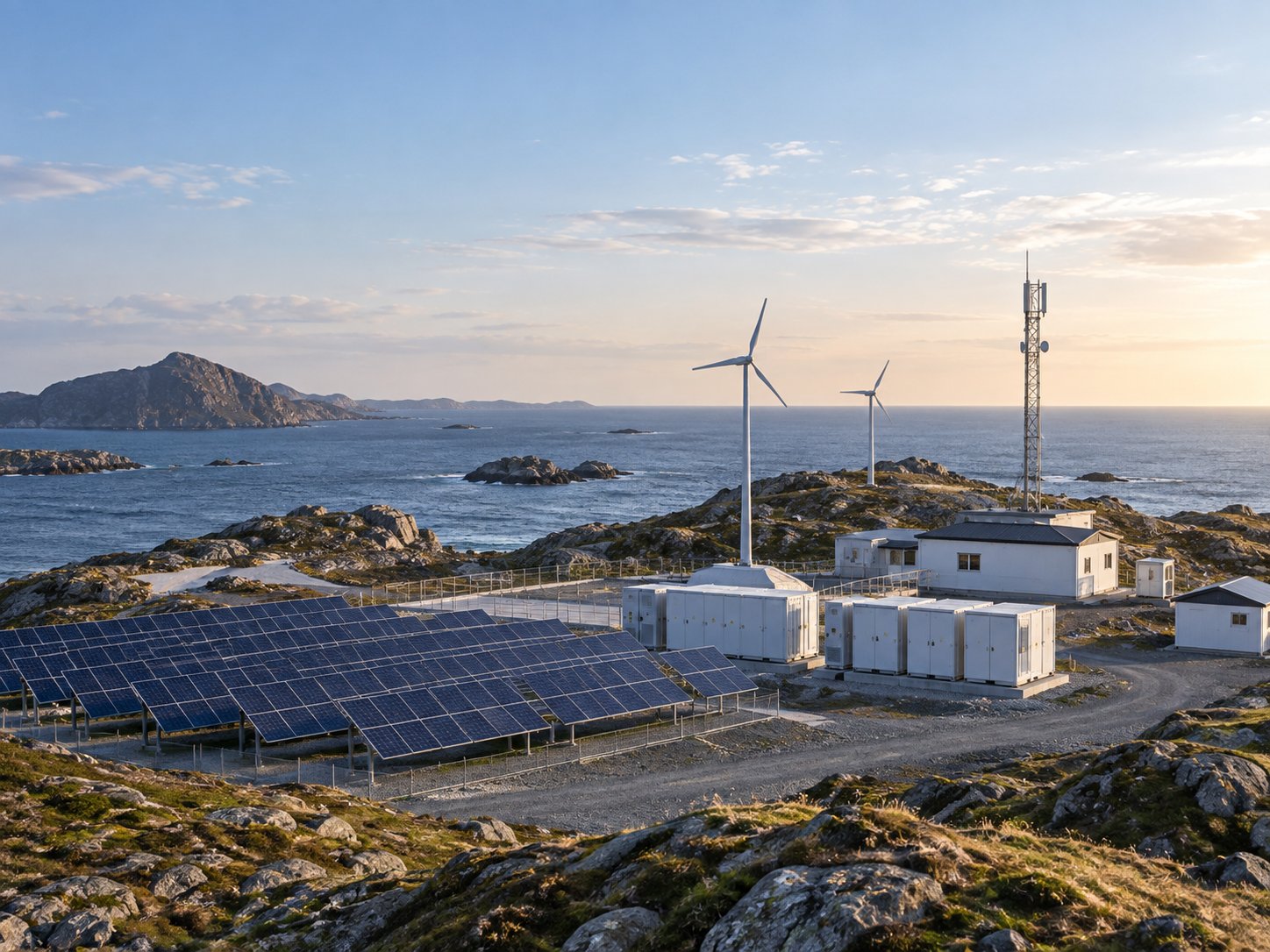
Off-Grid / Weak-Grid Supply

Off-Grid / Weak-Grid Supply

High-reliability standalone power assurance for islands, remote sites, and unelectrified areas.

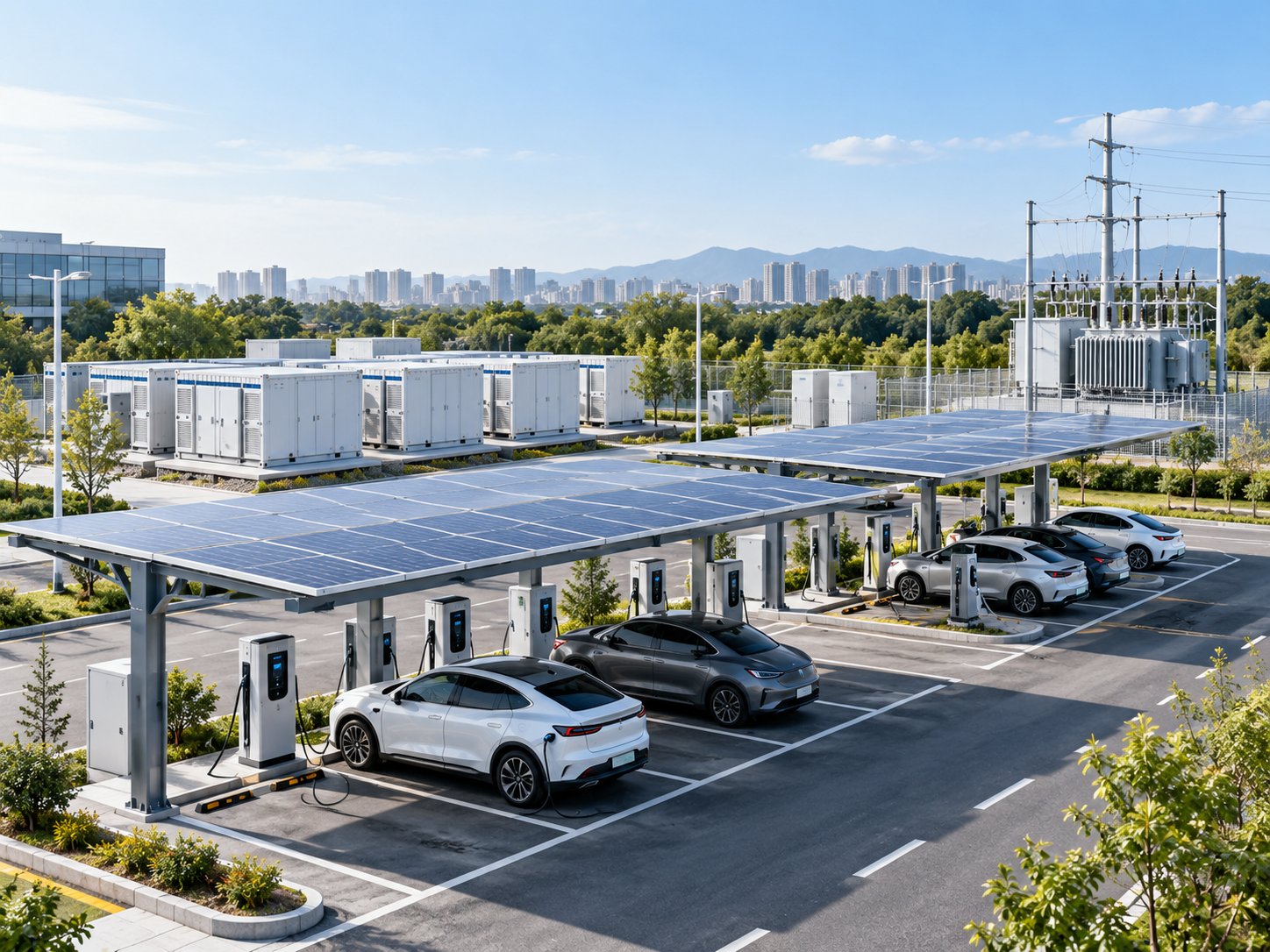
Charging-Station Microgrid

Charging-Station Microgrid

Local self-consumption and ordered-charging coordination for PV-storage-charging integrated stations.

Selection Guide

01

What kind of park is worth a microgrid?

Two tests: is the peak-valley spread or demand charge large enough, and is there a critical load that cannot tolerate long outages. One of the two already justifies it; both together gives the clearest return. If neither stands out, build solid metering and PV onboarding first and delay the microgrid, do not deploy a system just to deploy one.

02

Deploy storage early or late?

Storage is the system regulator, but do not deploy it in isolation. The usual path is to onboard PV and storage first, close the core loop, and capture the real load curve, then size storage from the curve rather than guessing capacity. Sizing too early tends to leave it idle or short. Phased builds keep initial investment controlled and give quantifiable return per phase.

03

Is grid-connected to off-grid switching reliable?

Transition is not the platform alone. The platform provides a configurable switching procedure — condition checks, timing control, state confirmation — but reliability also depends on on-site switchgear response and maintenance. During implementation we align the procedure with actual equipment capability; do not trust the logic layer only. For slow legacy switchgear, the procedure needs margin built in.

04

How to allocate internal energy cost within a park?

Aggregate by metering point; subdivide to department, tenant, or line where possible, and where metering is incomplete start from area or contract allocation with an adjustment mechanism. The key is locking the definition with finance before implementation, not arguing over the bill afterward. Allocation rules are configured in the platform and switch to precise metering once conditions improve.

Turn your energy business into a sustainable operating capability

Book a 30-minute consultation to map your current assets, business goals and a practical digitalization roadmap.