Device Onboarding & Management
Connect multi-brand charging piles, charging cabinets, barriers, and video devices with unified protocol parsing and device modeling, supporting plug-and-play onboarding and remote O&M.

Connect devices, stations, users, and the grid so charging operations run efficiently from onboarding and billing to dispatching.
The Charging Operations Platform serves the day-to-day business of industrial parks, communities, and regional operators. It connects scattered charging devices, orders, users, and grid constraints into one operating system: operators gain clear visibility into station status, drivers get a smooth charging experience, and the grid side balances capacity and load better through ordered charging.
You can access our live product →Build scalable, replicable charging-operations capability around the collaborative operation of charging devices, users, the grid, and transactions.
Connect multi-brand charging piles, charging cabinets, barriers, and video devices with unified protocol parsing and device modeling, supporting plug-and-play onboarding and remote O&M.
Monitor charging-pile status, power, temperature, and fault alarms in real time, gain full visibility into station charging posture, and quickly locate abnormal devices.
Flexibly configure time-of-use, per-pile, and per-user billing rules; auto-generate orders and invoices; and support reconciliation, revenue sharing, and multi-party settlement.
Dynamically allocate charging power based on transformer capacity, tariff signals, and grid constraints to shave peaks, fill valleys, and cut capacity demand and electricity costs.
Manage members, wallets, coupons, and marketing campaigns to support multi-channel user operations across official accounts, mini-programs, and apps, lifting repurchase and retention.
Connect with major charging operators and navigation platforms, supporting scan-to-charge and cross-platform settlement to extend the service radius of driver traffic.
100charge Community Edition is an open-source charging-operations system for communities and small-to-mid operators, ranking No.1 in its Gitee category with an independent trademark. The source is open, self-hostable, and extensible; the community keeps contributing plugins and cases. Ideal for technical teams and operators who want to own core assets and build their own brand — controllable from trial all the way to production.
The Standard Edition targets industrial parks, communities, regional operators, and enterprise fleets with full, ready-to-use capabilities — device onboarding, billing & settlement, ordered charging, and user operations. One platform connects multiple operators and multiple charger brands, splitting revenue automatically by configurable sharing rules; for enterprise fleet customers it integrates dedicated vehicle and order management. Multi-tenant architecture lets customers run it as their own SaaS on their own servers and scale deployment as needed. It balances feature depth, delivery speed, and controllable cost, making it the standard choice for scaled, steady-state operations.
The cloud-hosted edition runs on Xingchuan infrastructure: transaction funds settle directly into your own WeChat Pay or Alipay merchant accounts, never touched or pooled by us. Your mini program and console operate under your own brand — logo, domain, entity, customer and order assets all stay with you. Marketing campaigns, membership, coupons, and subscription messaging are all open for you to run, so the users and channels you acquire remain yours to reuse. No servers or bandwidth to buy, no operations or R&D team to staff: subscribe per pile or per year and start lean. Later, should you want private deployment or a move to another environment, your data exports smoothly and you are never locked in.
Build a digitalization foundation that supports charging operations in layers — from device ingestion to operational transactions.

Unified onboarding of chargers, charging cabinets, barriers, meters, and video devices, completing protocol parsing, device modeling, and edge collection to ensure complete and reliable source-end data.
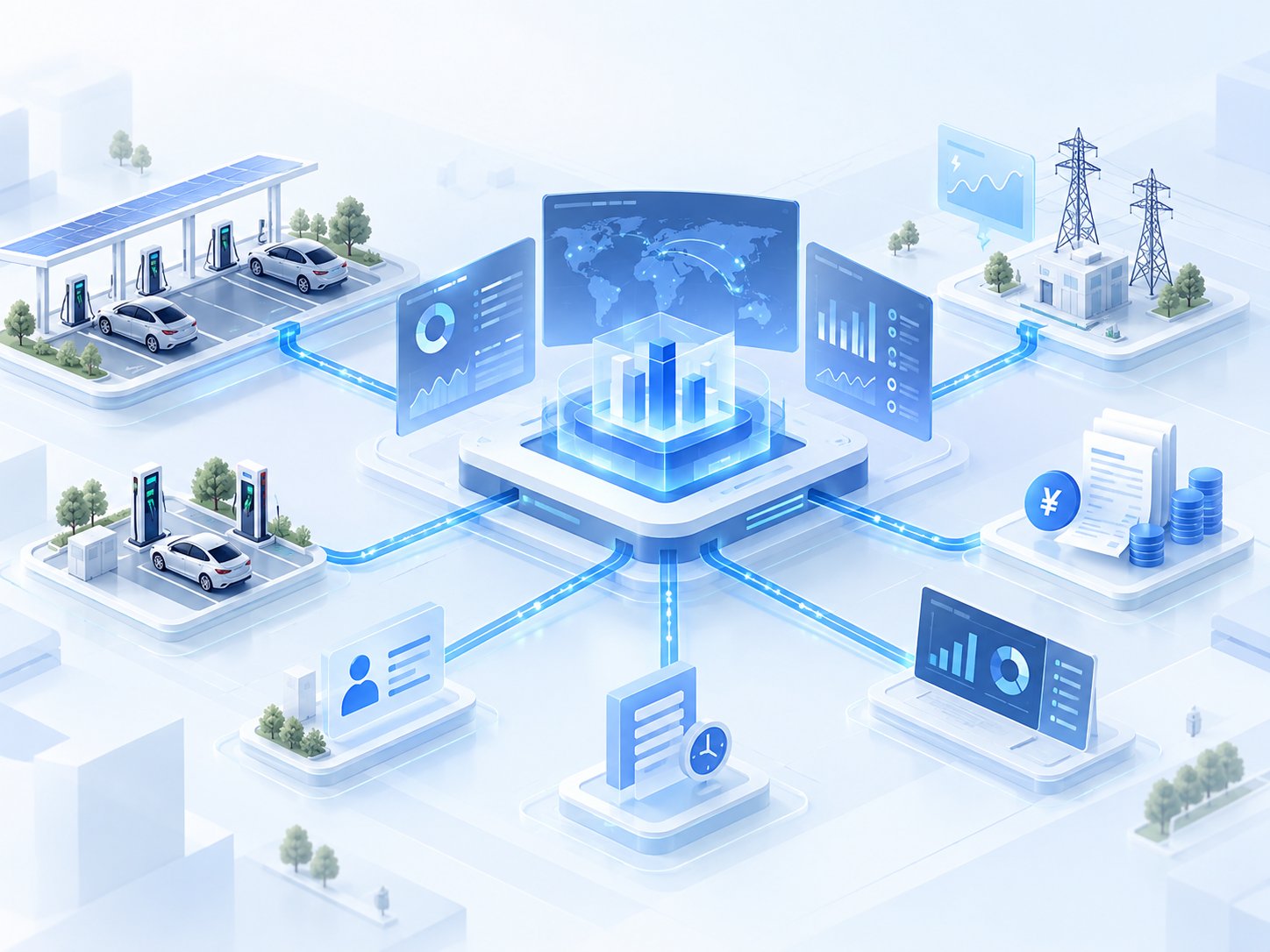
Aggregate device, order, user, and grid data to deliver core capabilities — billing, dispatch, monitoring, and settlement — building a consistent, extensible operating foundation for operators.
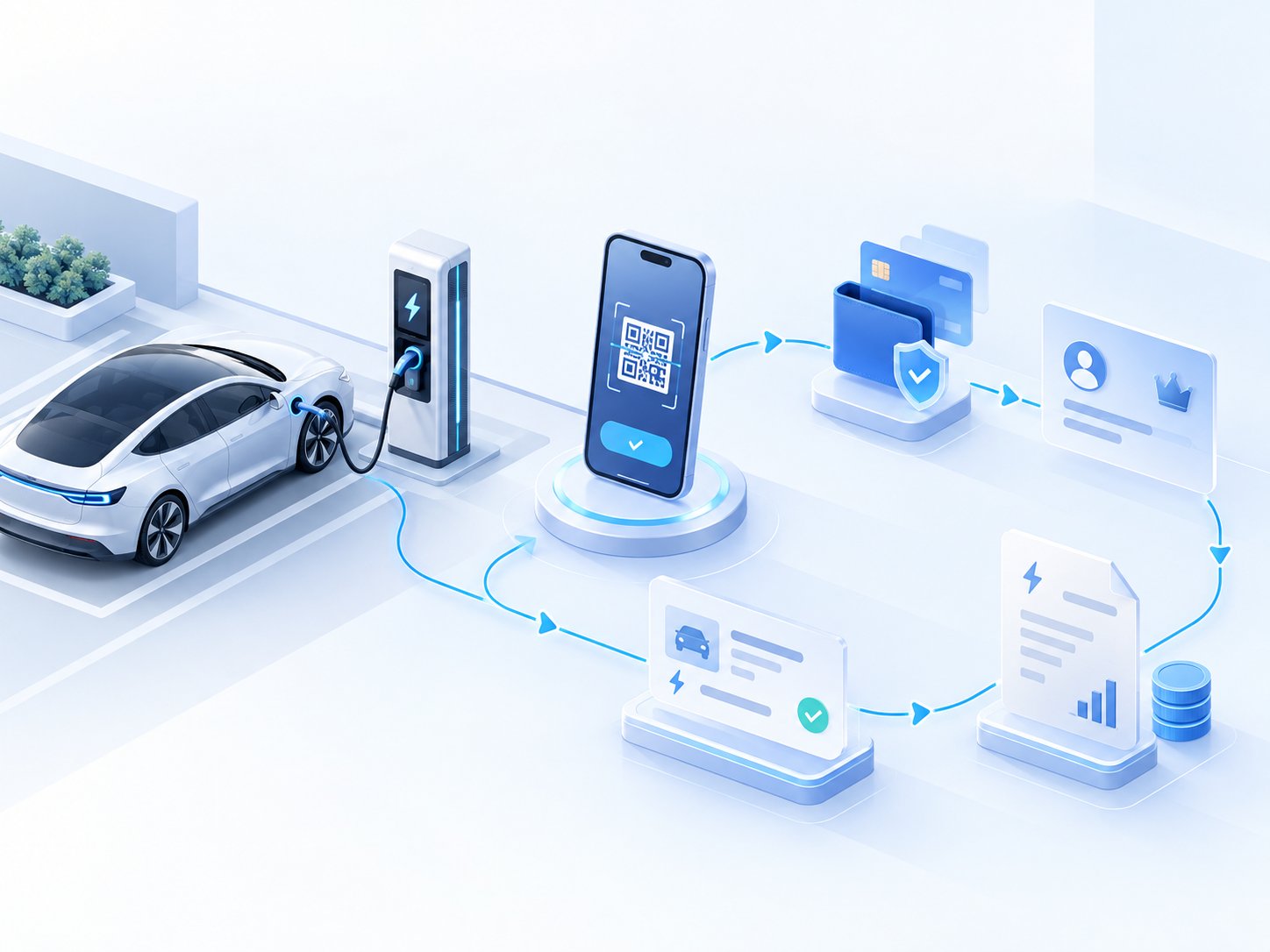
Provide scan-to-charge, wallet settlement, membership operations, and reconciliation/revenue sharing for drivers and operators, closing the end-to-end service from charging to settlement.
Cover a wide range of typical charging-operations scenarios, from parks to highway networks.

Centralized operations, ordered dispatch, and cost optimization for vehicles and employees charging within a park.
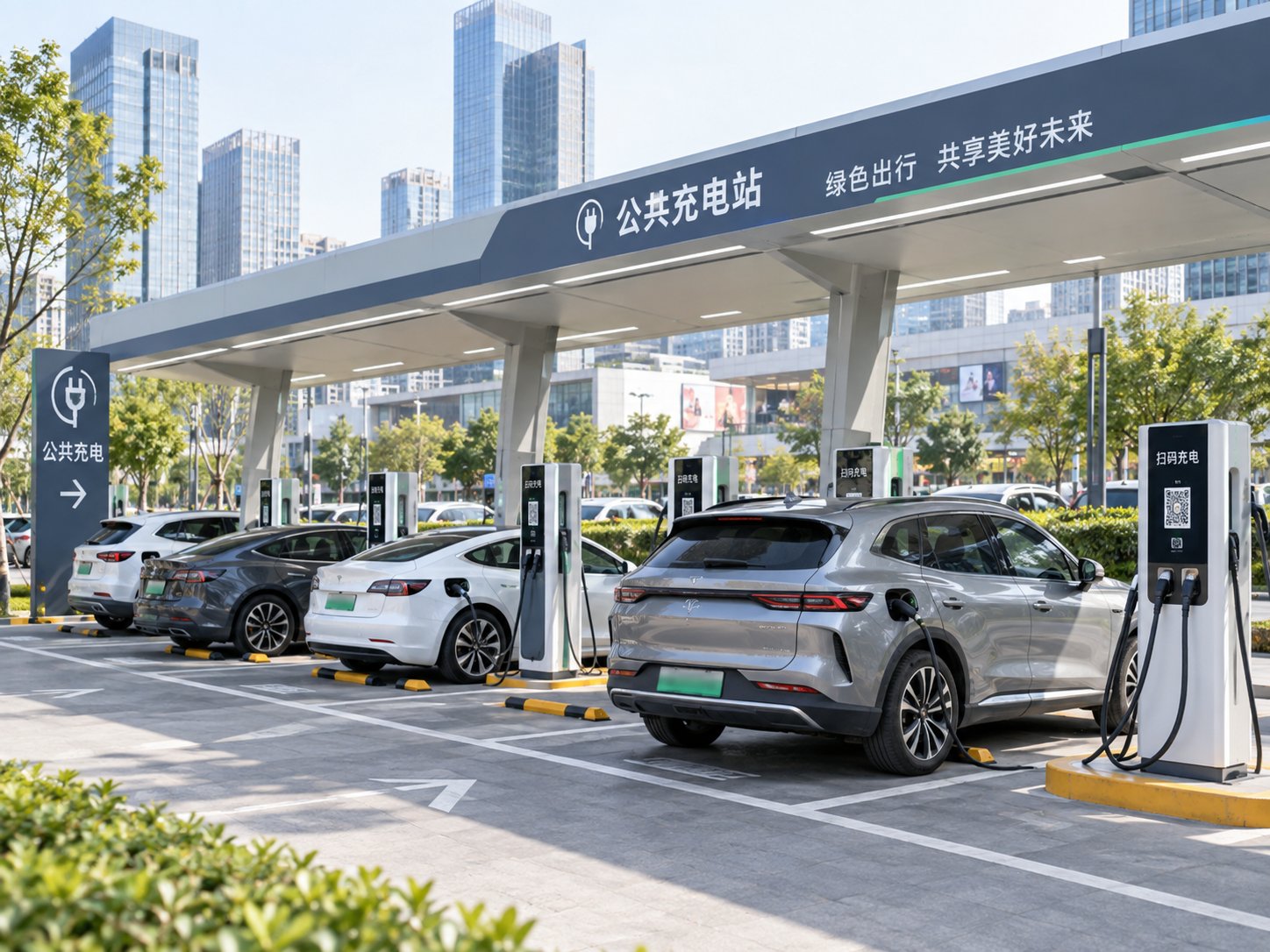
Networked operations for public charging stations, supporting cross-platform interconnection and scan-to-charge.

Centralized high-power charging scheduling and off-peak overnight operations for bus and logistics fleets.
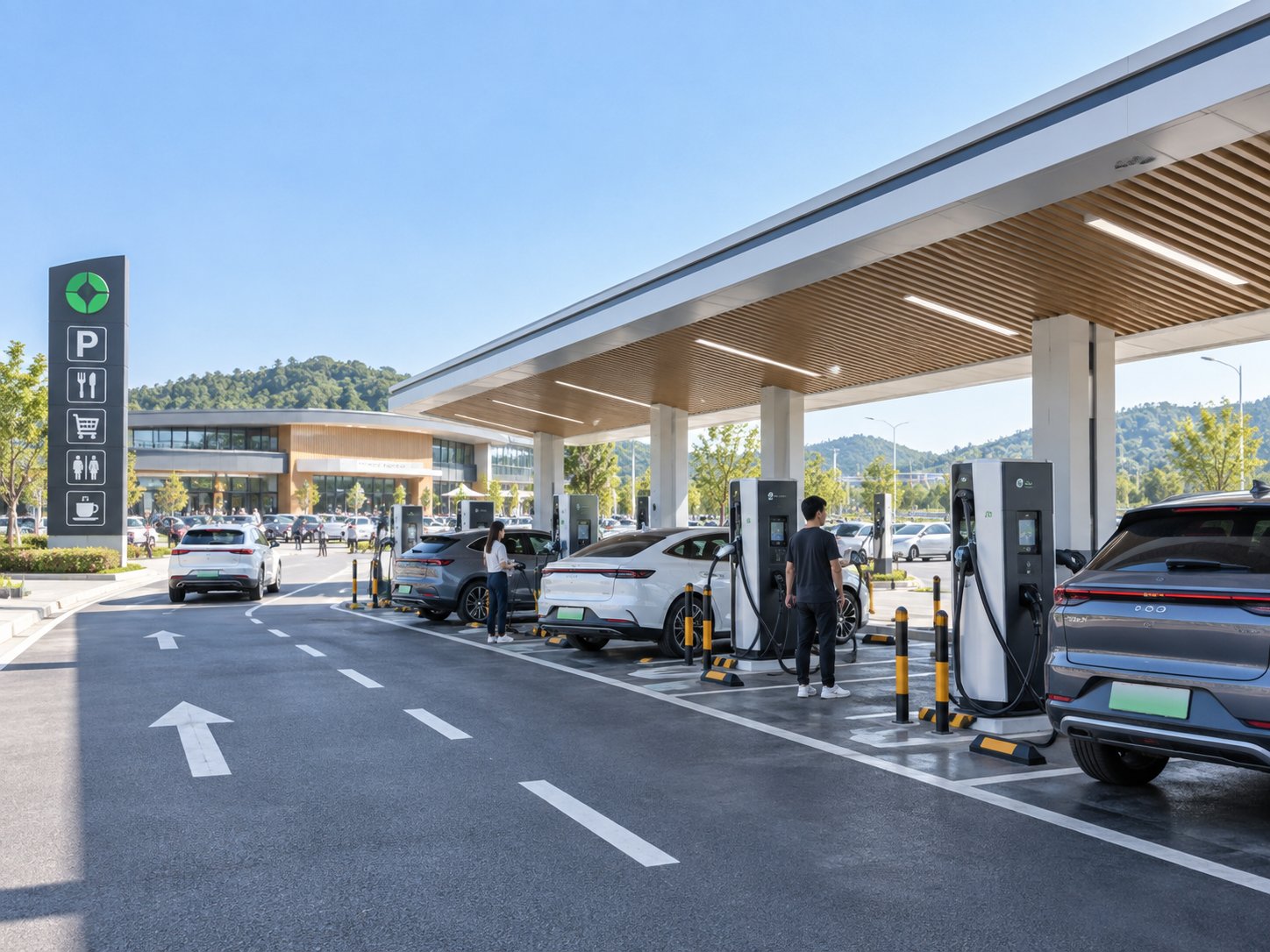
High-concurrency operations and experience management for fast-charging stations at highway service areas and commercial destinations.
The moment the spreadsheet starts breaking is the signal to move. When one person can no longer track pile status, orders, and refunds in Excel, or you begin connecting third-party fleets and payment stacks, it is time, because staying manual only makes reconciliation cost scale linearly with pile count. The platform value is not feature count; it is getting three things right once — protocol coverage, billing flexibility, external integration — which decides whether you later repurchase.
Three things decide it: whether compliance forces data to stay in your environment, whether you have a team for upgrades and incidents, and whether the business is still experimenting or in steady operation. Choose private deployment when you need data sovereignty or already have IT operations capability; choose the cloud-hosted edition for fast launch and asset-light operations — funds settle straight into your own accounts, brand and users stay yours, no servers or ops team required, and you can still migrate or go private later without friction. Functionally identical — the difference is delivery and who owns operations, not capability tier.
Usually not. The platform reads meters to get transformer capacity and load, then allocates power, provided the site has smart meters or controllable circuits. For early rough distribution, do not start with ordered charging; sort out metering first, because buying hardware early risks leaving it idle. We confirm site conditions with you before onboarding to scope any retrofit.
Most special cases are solved by configuration, not custom development. Tell us the site clearly — existing device brands, distribution conditions, management ownership — and we assess the onboarding approach. The earlier you disclose during discussion, the smaller the plan deviation and the more controllable the retrofit scope.
Book a 30-minute consultation to map your current assets, business goals and a practical digitalization roadmap.